"The Hillside Strangler: Devil in Disguise" examines one of Los Angeles' most terrifying cases, where two cousins terrorised the city in the late 1970s. This February and March on Viasat True Crime Poland, explore the criminal psychology, investigation techniques, and chilling details of serial murder through expert documentaries featuring real cases that changed how law enforcement hunts predatory killers.
The Hillside Strangler: Los Angeles in Fear
Between October 1977 and February 1978, Los Angeles experienced terror as ten young women were found strangled and dumped on hillsides throughout the city. The killer—initially believed to be one individual—left victims' bodies in public locations where they would be quickly discovered, creating maximum fear in the community. Women changed their behaviours, avoided going out alone, and lived in constant anxiety that they might become the Hillside Strangler's next victim.
The Victims: Young Women Targeted by Predators 👩
The Hillside Strangler targeted young women—most in their late teens and twenties—often aspiring actresses, students, or women working in the entertainment industry. The victims represented vulnerable targets who could be lured or abducted without immediate alarm. This victim selection pattern revealed the killers' predatory nature—they hunted systematically, choosing victims who fit specific profiles and could be isolated from protection.
The Investigation: Unprecedented Challenge 🔍
Los Angeles Police Department and Los Angeles Sheriff's Department faced an unprecedented serial murder investigation with mounting public pressure to catch the killer. The case became one of the largest criminal investigations in Los Angeles history, involving hundreds of detectives, thousands of tips, and innovative forensic techniques that would later become standard in serial murder investigations.
Law enforcement struggled with a key problem: they initially believed one killer was responsible, when in reality two men—cousins Kenneth Bianchi and Angelo Buono—were murdering together. This misconception delayed capture and allowed the killers to continue their reign of terror for months.
Psychology of Serial Killers: Understanding Predatory Behaviour
Serial killers exhibit distinct psychological patterns that differentiate them from other violent criminals. Understanding these patterns helps investigators identify, track, and capture these predators before they can claim additional victims.
The Fantasy-Reality Cycle: How Serial Killing Begins 🌀
Most serial killers spend years developing violent fantasies before committing their first murder. These fantasies become increasingly elaborate and violent, providing psychological satisfaction until fantasy no longer suffices. At some point, the killer crosses from fantasy to reality, committing their first murder and beginning a cycle that rarely ends without capture or death.
The Hillside Stranglers' crimes showed evidence of elaborate fantasies. The torture, positioning of bodies, and ritualistic elements suggested long-term fantasy development before they began killing. Each murder refined their techniques, showing learning and adaptation characteristic of serial killers.
The Cooling-Off Period: Between Murders ⏰
What distinguishes serial killers from mass murderers or spree killers is the "cooling-off period" between murders. After killing, serial killers return to normal life—working, socializing, maintaining relationships—until compulsion drives them to kill again. This period can last days, weeks, months, or years.
Both Bianchi and Buono maintained relatively normal lives between murders. Bianchi dated multiple women, held jobs, and appeared charming and trustworthy. Buono operated an auto upholstery business, had children, and seemed like an ordinary tradesman. This ability to compartmentalize—to murder then resume normal functioning—characterises successful serial killers who evade capture for extended periods.
Organised vs. Disorganised Killers: FBI Classification 📋
FBI behavioural analysts classify serial killers as organised or disorganised based on crime scene characteristics. Organised killers plan murders meticulously, select victims carefully, control crime scenes, and take steps to avoid detection. They typically have above-average intelligence, maintain employment and relationships, and appear normal to those around them.
The Hillside Stranglers exhibited highly organised behaviour: careful victim selection, controlled crime scenes, body disposal in specific locations, and efforts to avoid forensic evidence. This organization made the investigation more challenging and allowed the killers to operate for months before capture.
Victim Selection and Hunting Patterns
Serial killers typically hunt within "comfort zones"—geographic areas where they feel safe and confident. Analyzing crime locations helps investigators identify where killers likely live, work, or spend time. The Hillside Stranglers' dump sites revealed patterns that eventually helped investigators narrow their search to specific areas of Los Angeles.
Target-Rich Environments: Where Predators Hunt 🏙️
Serial killers often select victims from target-rich environments—locations where potential victims are abundant and vulnerable. The Hillside Stranglers hunted in Hollywood and surrounding areas where young women seeking entertainment careers were plentiful and often lacked strong social support networks. This environment provided numerous opportunities to identify, approach, and abduct victims without immediate detection.
Luring vs. Abduction: Approach Strategies 🎣
The Hillside Stranglers used various tactics to gain control of victims. Sometimes they impersonated police officers, using fake badges to convince women to get into their vehicle. Other times they offered rides, propositioned victims for sex, or used ruses to lure women to isolated locations. This tactical flexibility allowed them to adapt to different situations and victim types.
Investigation Breakthrough: Catching the Hillside Stranglers
The Hillside Strangler case remained unsolved for over a year until Kenneth Bianchi was arrested in Washington State for two additional murders. His capture finally provided the breakthrough that Los Angeles investigators needed to solve the Hillside Strangler crimes and identify Angelo Buono as his accomplice.
Bianchi's Arrest: The Washington Connection 🔗
In January 1979, Kenneth Bianchi murdered two women in Bellingham, Washington—far from Los Angeles. Unlike the careful planning of the Hillside Strangler murders, these killings were sloppy, leaving substantial evidence pointing to Bianchi. His arrest for the Washington murders eventually led investigators to connect him to the Los Angeles cases.
The Multiple Personality Defence: Psychology Meets Courtroom 🎭
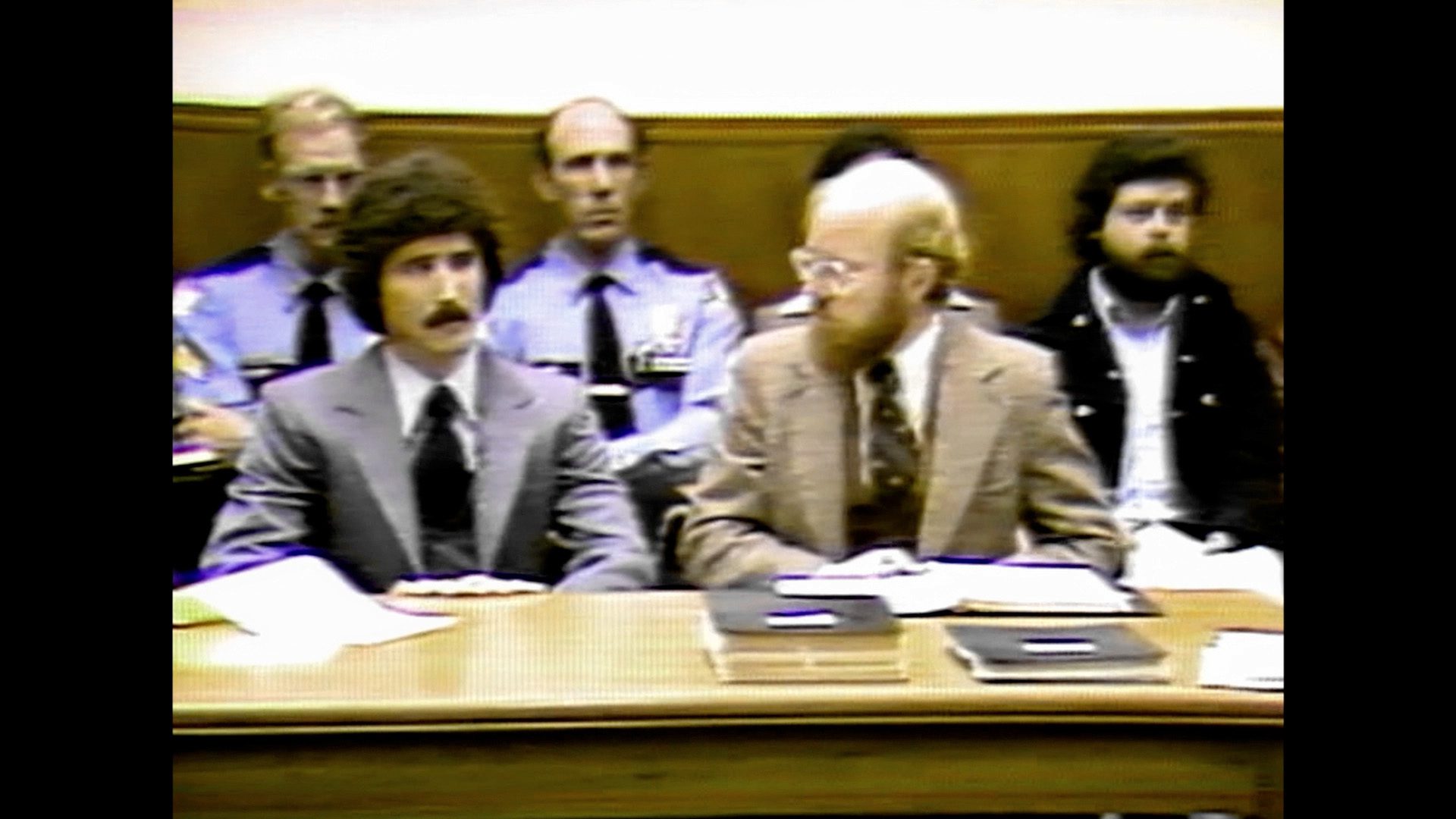
Kenneth Bianchi attempted an infamous defence: claiming multiple personality disorder with an alter ego named "Steve" who committed the murders while Kenneth remained unaware. He fooled some mental health professionals initially, but forensic psychologist Martin Orne exposed the deception through clever questioning and testing that revealed Bianchi was malingering.
This case became famous in forensic psychology for demonstrating how skilled evaluators can detect malingered mental illness. Bianchi's failed attempt to feign multiple personality disorder led to stricter standards for evaluating such claims in criminal cases.
Ted Bundy: Charming Serial Killer
"The Hunt for Ted Bundy" (March 1st, 21:00) examines another notorious serial killer whose charm and intelligence allowed him to murder at least 30 women while appearing completely normal to friends, colleagues, and even romantic partners. Bundy represents the quintessential organised serial killer—methodical, intelligent, charming, and utterly ruthless.
Bundy's Methodology: Predatory Perfection 🦅
Ted Bundy refined his killing techniques over years, becoming increasingly efficient and difficult to catch. He targeted young women with long dark hair parted in the middle, often approaching them in public places by feigning injury (arm in a sling, leg cast) to request help carrying items to his car. Once isolated, he would attack, abduct, and murder his victims.
Bundy also demonstrated geographic mobility, killing across multiple states to complicate law enforcement coordination. In an era before national databases and efficient interstate communication, Bundy exploited jurisdictional boundaries to evade capture for years.
The Face of Evil: Why Bundy Fascinated 📺
Ted Bundy became infamous not just for his crimes but for his appearance, intelligence, and behaviour during trial. He represented himself in court, cross-examined witnesses, and charmed spectators—all while accused of horrific murders. This disconnect between his presentation and his crimes fascinated the public and challenged comfortable assumptions about what killers look like.
Bundy's case demonstrated that serial killers don't necessarily appear monstrous—they can be attractive, educated, articulate, and seemingly normal. This realization transformed public understanding of serial murder and influenced how law enforcement profiles suspects.
Victim Impact: Families Forever Changed
"The Killer in My Family" (February 1st, 16:10-20:00) explores how serial killers' crimes devastate families—both victims' families who lose loved ones and killers' families who must reconcile their relationship with a murderer. These perspectives humanize cases often reduced to statistics and sensationalism.
Victim Families: Living with Loss 😢
Families of serial killers' victims face unique trauma. Unlike single homicides where investigation may focus intensely on one case, serial murder victims become part of larger investigations where individual lives can be overshadowed by focus on the killer. Families struggle with media attention, extended investigations, and knowledge that their loved one was targeted by a predator.
Killers' Families: Related to Monsters 👨👩👧
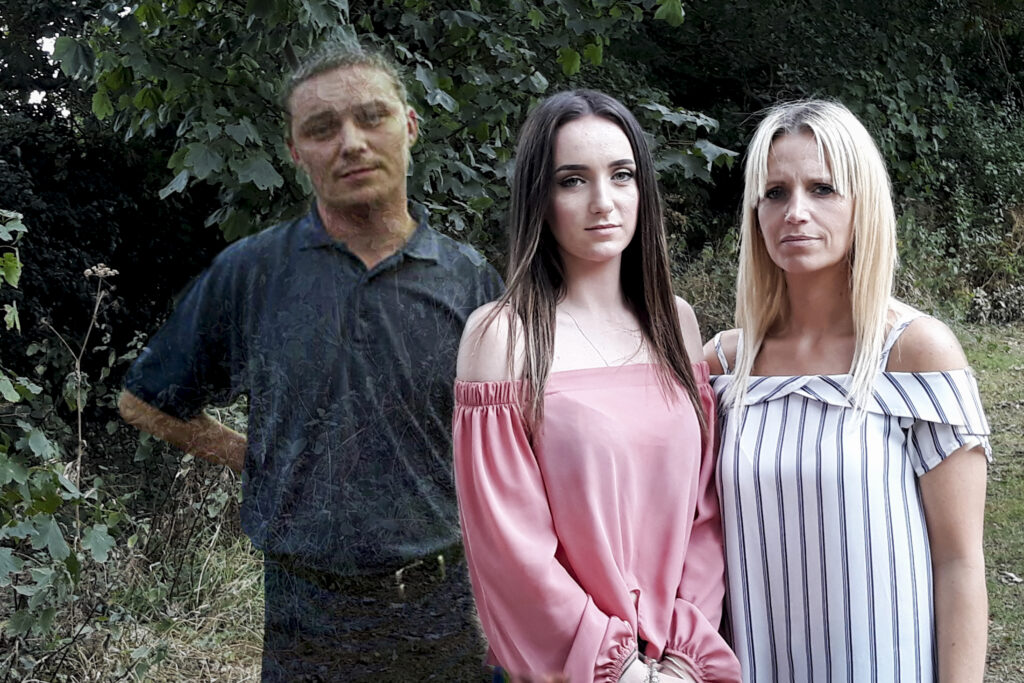
"The Killer in My Family" features relatives of serial killers—brothers, nieces, children—who must process how someone they knew committed unimaginable acts. Fred West's family (February 1st, 16:10), Richard Ramirez's niece (17:10), and others share how discovering a family member's crimes shattered their lives and identities.
Watch Serial Killer Documentaries on Viasat True Crime
This February and March, Viasat True Crime Poland presents comprehensive examinations of serial killers, from famous cases like the Hillside Strangler and Ted Bundy to family perspectives on discovering relatives committed murder.
Complete Viewing Schedule 📅
The Hillside Strangler: Devil in Disguise (2021)
- Sunday, February 1, 2026 at 21:00 (9:00 PM CET)
- Detailed examination of the LA serial killer case
The Hunt for Ted Bundy (2018)
- Sunday, March 1, 2026 at 21:00 (9:00 PM CET)
- Detective Bob Keppel's investigation
The Killer in My Family Season 1
- Sunday, February 1 at 16:10 - Fred West
- Sunday, February 1 at 17:10 - Richard Ramirez
- Sunday, February 1 at 18:05 - Ian Huntley
- Sunday, February 1 at 19:00 - Levi Bellfield
- Sunday, February 1 at 20:00 - Bachan Kaur Athwal
Making a Serial Killer Season 2
- Sunday, February 1 at 01:05 (1:05 AM CET)
The Crossbow Cannibal (2025)
- Sunday, February 1 at 22:10 (10:10 PM CET)
- Stephen Griffiths murder case
FAQ: Serial Killers
What defines a serial killer versus other types of murderers?
Serial killers murder three or more victims in separate events with cooling-off periods between murders. This distinguishes them from mass murderers (who kill multiple victims in one event) and spree killers (who kill multiple victims in multiple locations without cooling-off periods). The cooling-off period—when killers return to normal life—is the defining characteristic.
Are serial killers becoming more common?
Research suggests serial killing peaked in the 1980s and has declined since. Better forensic technology (DNA, surveillance, databases), improved communication between law enforcement agencies, and heightened public awareness make serial killing more difficult. However, detection has also improved, so apparent increases may reflect better identification of serial cases.
Why do serial killers keep trophies from victims?
Trophies—jewelry, photographs, personal items, body parts—serve psychological functions for serial killers. They provide reliving of the murder, proof of power over victims, pornographic fantasy aids, and control even after death. Trophies also feed narcissistic needs and create secret knowledge that killers possess special power.
How do serial killers choose their victims?
Victim selection varies but often involves opportunity, vulnerability, and fantasy fulfillment. Some killers target specific types (young women with certain features, sex workers, hitchhikers), while others kill opportunistically. Common factors: vulnerable populations, isolated circumstances, physical characteristics matching fantasies, and low-risk of immediate discovery.
Can serial killers be rehabilitated?
Rehabilitation of serial killers is extremely rare to nonexistent. The psychological pathology behind serial murder—psychopathy, sadism, paraphilias—is resistant to treatment. Serial killers rarely show genuine remorse, empathy, or desire to change. Most countries impose life sentences or death penalties, making rehabilitation academic rather than practical.
Why are people fascinated by serial killers?
Fascination with serial killers stems from multiple sources: morbid curiosity about extreme behaviour, desire to understand the incomprehensible, reassurance from studying monsters (feeling safer through knowledge), vicarious thrill from darkness while remaining safe, and psychological puzzles they represent. Within reasonable bounds, this interest is normal.
How accurate are criminal profiles of serial killers?
Profiling is a tool, not magic. Skilled profilers analyzing sufficient evidence can narrow suspect characteristics and guide investigations effectively. However, profiles are probabilities, not certainties—they suggest likely characteristics but don't identify specific suspects. Profiling works best combined with traditional detective work, forensics, and witness testimony.
What's the difference between a serial killer and a psychopath?
Not all psychopaths are serial killers, and not all serial killers are psychopaths (though most show psychopathic traits). Psychopathy is a personality disorder characterised by lack of empathy, manipulative behaviour, superficial charm, and absence of remorse. Many psychopaths never commit crimes, channeling traits into business, politics, or other fields. Serial killing requires specific combinations of psychopathy, violent fantasies, opportunity, and other factors.